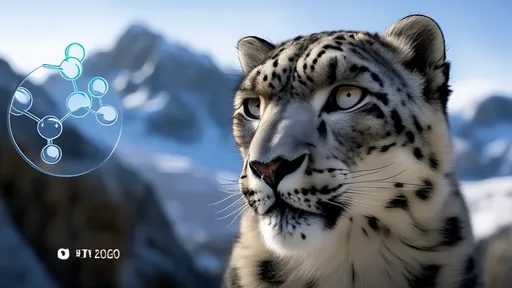
The snow leopard, an elusive and majestic big cat roaming the high-altitude ranges of Central and South Asia, has long fascinated scientists with its remarkable ability to thrive in oxygen-deprived environments. Recent research has uncovered a fascinating biological secret behind this adaptation: a unique hemoglobin structure that allows these predators to efficiently utilize oxygen where most mammals would struggle to survive. This discovery not only sheds light on the snow leopard's evolutionary journey but also opens new avenues for understanding hypoxia-related challenges in human medicine.
The Hemoglobin Advantage
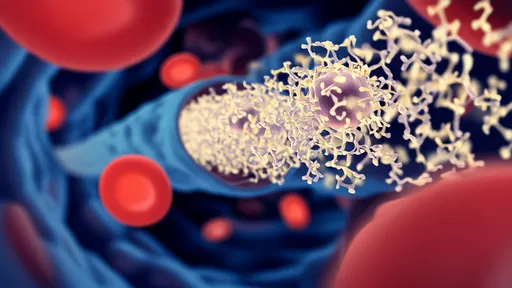
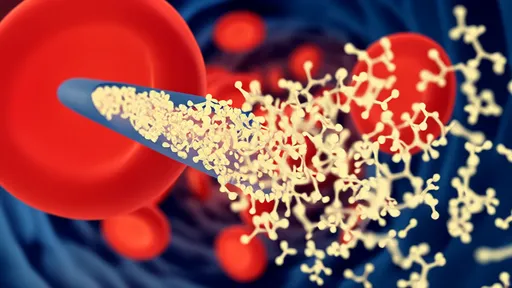
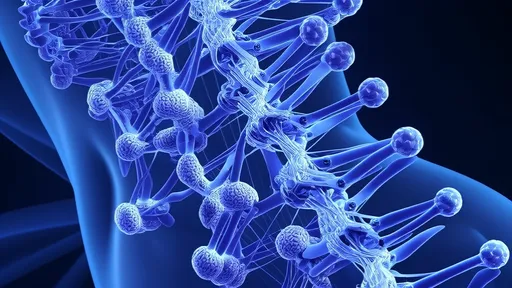
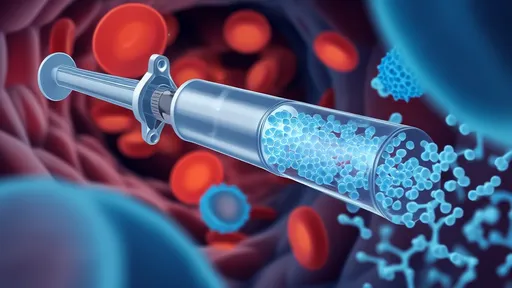
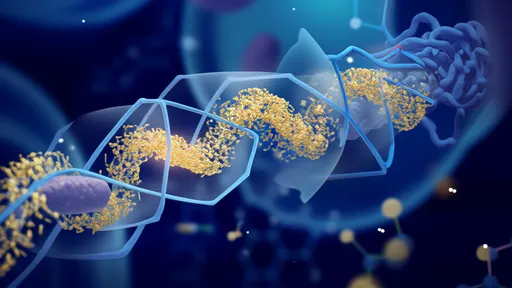
At the heart of this adaptation lies a sophisticated molecular mechanism involving hemoglobin, the protein in red blood cells responsible for oxygen transport. Unlike their lowland feline cousins, snow leopards possess hemoglobin with distinct structural properties that enhance oxygen binding capacity in thin mountain air. This molecular specialization occurs through what scientists term "allosteric modulation" - subtle changes in the protein's shape that dramatically alter its function.
The key difference appears in how snow leopard hemoglobin responds to environmental conditions. Where human hemoglobin might struggle to release oxygen in cold, high-altitude environments, the snow leopard's version maintains optimal oxygen delivery to tissues. This explains how these cats can chase prey across steep Himalayan slopes at elevations where human climbers require supplemental oxygen.
Evolution's Masterpiece
This hemoglobin adaptation represents millions of years of evolutionary refinement. As ancestral snow leopards gradually moved into higher elevations, natural selection favored individuals with genetic mutations that improved oxygen utilization. Over generations, these accumulated changes created a hemoglobin variant exquisitely tuned to high-altitude survival.
What makes this adaptation particularly remarkable is its precision. The molecular changes don't simply increase oxygen affinity across all conditions - they create context-sensitive responses that optimize oxygen capture in the lungs and release in peripheral tissues. This sophisticated regulation allows snow leopards to maintain peak physical performance despite atmospheric oxygen levels that would leave other mammals gasping for breath.
Beyond the Mountains
The implications of this discovery extend far beyond understanding snow leopard biology. Medical researchers are particularly interested in how these findings might inform treatments for hypoxia-related conditions in humans. From chronic obstructive pulmonary disease to emergency trauma care, the snow leopard's hemoglobin adaptations could inspire new therapeutic approaches.
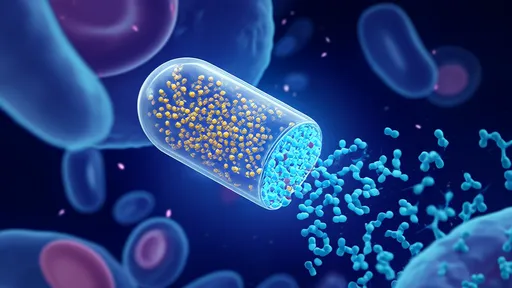
Scientists are now working to identify the exact genetic mutations responsible for these hemoglobin modifications. Understanding these molecular blueprints could potentially lead to biomedical innovations, such as artificial oxygen carriers or treatments for altitude sickness. The snow leopard's genetic secrets might one day help human patients breathe easier in critical care situations.
A Fragile Balance
While celebrating this scientific breakthrough, researchers emphasize the precarious conservation status of snow leopards in the wild. With perhaps only 4,000-6,500 individuals remaining across their mountainous range, the species faces numerous threats from habitat loss, climate change, and human-wildlife conflict. The very adaptations that allow them to thrive in extreme environments may become liabilities as their ecosystem changes.
This research underscores the importance of protecting these magnificent animals, not just for their ecological value but for the potential biomedical insights they may yet reveal. As climate change alters high-altitude environments, understanding how snow leopards adapt physiologically becomes increasingly urgent for both conservation and human health applications.
The Future of High-Altitude Research
Scientists are now expanding this research to other high-altitude species, creating comparative studies that may reveal common adaptive strategies. The snow leopard's hemoglobin represents just one piece of a complex physiological puzzle that enables life in extreme environments. Ongoing studies are investigating how these adaptations interact with other systems, from lung capacity to circulatory efficiency.
Advanced genomic sequencing technologies are allowing researchers to trace the evolutionary history of these adaptations with unprecedented precision. By comparing snow leopard genomes with those of other felids, scientists hope to identify the specific genetic changes that led to these remarkable oxygen-handling capabilities.
The snow leopard's "oxygen superpower" stands as a testament to nature's ingenuity in solving environmental challenges. As research continues, these mysterious cats may yet reveal more secrets about surviving - and thriving - in some of Earth's most inhospitable environments.

By /Aug 18, 2025

By /Aug 18, 2025
By /Aug 18, 2025
By /Aug 18, 2025
By /Aug 18, 2025

By /Aug 18, 2025

By /Aug 18, 2025

By /Aug 18, 2025

By /Aug 18, 2025
By /Aug 18, 2025

By /Aug 18, 2025
By /Aug 18, 2025
By /Aug 18, 2025
By /Aug 18, 2025
By /Aug 18, 2025
By /Aug 18, 2025
By /Aug 18, 2025
By /Aug 18, 2025
By /Aug 18, 2025
By /Aug 18, 2025
