Soil health has long been measured through traditional chemical and physical indicators, but a quiet revolution is taking place beneath our feet. Researchers and agronomists are increasingly turning their attention to the microscopic world of soil ecosystems, recognizing that microbial communities hold the key to understanding soil vitality in ways we never imagined. This paradigm shift represents not just an academic curiosity but a fundamental change in how we approach land management and agricultural sustainability.
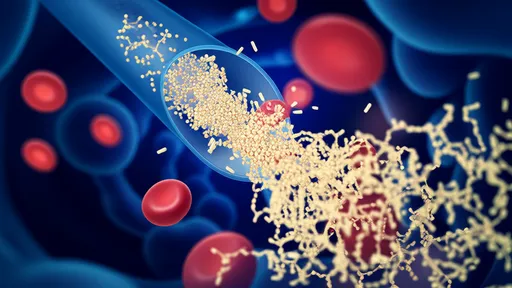
The complex web of bacteria, fungi, archaea, and other microorganisms forms what scientists call the soil microbiome - a dynamic, living component that drives nutrient cycling, organic matter decomposition, and plant health. Unlike static chemical measurements that provide a snapshot of soil conditions, microbial indicators offer a window into the functional capacity of soil ecosystems. These tiny organisms respond rapidly to environmental changes, management practices, and disturbances, making them exceptionally sensitive biomarkers of soil health.
Traditional assessment methods often failed to capture the biological dimension of soil quality, leading to incomplete pictures of ecosystem functioning. Farmers and land managers would apply fertilizers based on chemical tests without understanding how their practices affected the living components of soil. The consequences of this oversight have become increasingly apparent through declining soil organic matter, reduced water retention capacity, and diminished crop resilience despite adequate nutrient applications.
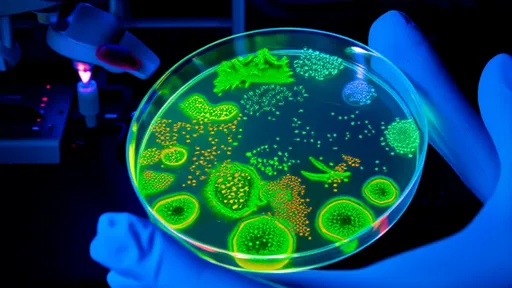
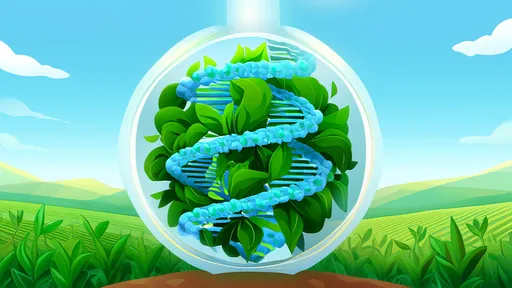
Modern molecular techniques have opened unprecedented opportunities for studying soil microbial communities. DNA sequencing technologies allow researchers to identify thousands of microbial species from small soil samples, while metagenomic approaches reveal the functional genes present in these communities. Advanced bioinformatics tools can then process this massive data to generate meaningful indicators of soil health, from microbial diversity indices to specific ratios of functional groups.
One of the most promising developments involves identifying keystone microbial species that play disproportionate roles in maintaining ecosystem functions. These critical organisms act as biological engineers, creating conditions that support entire microbial networks. Their presence or absence can serve as early warning signals for soil degradation long before visible signs appear. Monitoring these keystone species provides land managers with actionable information to prevent rather than react to soil health problems.
Another innovative approach focuses on measuring microbial metabolic activity through respiration rates, enzyme assays, and substrate utilization patterns. These functional measurements reveal how efficiently soil microbes are processing organic matter, cycling nutrients, and supporting plant growth. The active carbon fraction - the portion of organic matter readily available to microorganisms - has emerged as a particularly valuable indicator of soil biological activity and nutrient cycling potential.
The integration of multiple microbial indicators creates comprehensive soil health profiles that reflect both current conditions and future potential. Researchers are developing scoring systems that combine microbial biomass, diversity, activity, and functional capacity into single metrics that land managers can easily interpret. These integrated approaches acknowledge that no single measurement can capture the complexity of soil ecosystems while providing practical tools for decision-making.
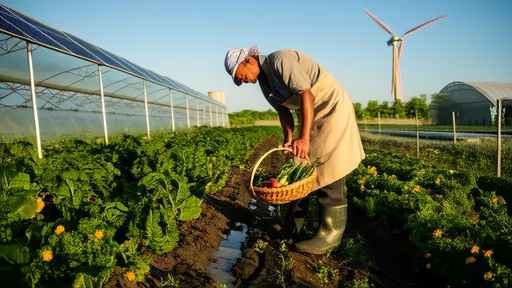
Field applications of microbial assessment are already demonstrating significant benefits. Progressive farmers are using microbial testing to fine-tune their management practices, reducing fertilizer inputs while maintaining or improving yields. By understanding their soil's biological status, they can implement targeted interventions such as cover cropping, reduced tillage, or microbial inoculants that specifically address identified deficiencies or imbalances.
Challenges remain in standardizing methods and interpreting results across different soil types and climatic conditions. The incredible diversity of soil microbial communities means that healthy benchmarks vary significantly between regions and ecosystems. Research institutions and agricultural extension services are collaborating to develop region-specific databases and interpretation guidelines that make microbial assessment accessible and meaningful for land managers.
The economic implications of widespread microbial monitoring could be profound. Insurance companies are exploring how soil health metrics might inform risk assessment and premium calculations. Carbon markets are beginning to recognize the role of soil microbes in carbon sequestration, potentially creating new revenue streams for farmers who adopt practices that enhance microbial activity. These developments signal a growing recognition that soil health represents both ecological and economic value.
Educational initiatives are crucial for bridging the gap between scientific advances and practical application. Universities are developing new curricula focused on soil microbiology, while extension programs are training agricultural professionals in sample collection and data interpretation. Digital platforms are emerging that connect farmers with laboratories and provide customized recommendations based on microbial assessment results.
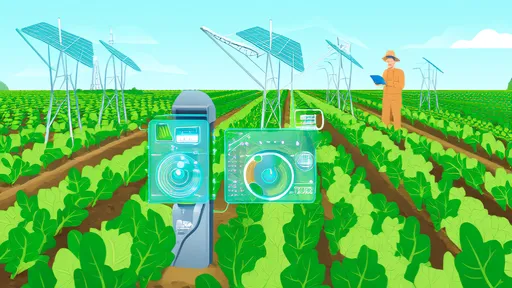
Looking forward, the integration of microbial data with other emerging technologies promises even more sophisticated assessment capabilities. Soil sensors that monitor microbial activity in real time, drone-based imaging that correlates with biological indicators, and machine learning algorithms that predict outcomes based on microbial profiles are all in various stages of development. These technological convergences will likely make microbial assessment increasingly accessible and valuable for land managers at all scales.
The transition to microbial-focused soil health assessment represents more than just technical innovation - it signifies a fundamental shift in how we relate to the land beneath our feet. By learning to read the biological language of soil, we gain deeper insights into ecosystem functioning and our role within it. This approach encourages management practices that work with rather than against natural processes, fostering resilience and sustainability for future generations.
As research continues to reveal the intricate relationships between soil microbes, plants, and the broader environment, our understanding of what constitutes healthy soil will undoubtedly evolve. The microbial perspective reminds us that soil is not merely a growing medium but a complex, living system that requires careful stewardship. Embracing this holistic view may prove essential for addressing the interconnected challenges of food security, climate change, and environmental conservation.

By /Aug 25, 2025

By /Aug 25, 2025

By /Aug 25, 2025

By /Aug 25, 2025

By /Aug 25, 2025

By /Aug 25, 2025
By /Aug 25, 2025

By /Aug 25, 2025

By /Aug 25, 2025

By /Aug 25, 2025

By /Aug 25, 2025

By /Aug 25, 2025

By /Aug 25, 2025

By /Aug 25, 2025

By /Aug 25, 2025

By /Aug 25, 2025
By /Aug 25, 2025
By /Aug 25, 2025
By /Aug 25, 2025
By /Aug 25, 2025
