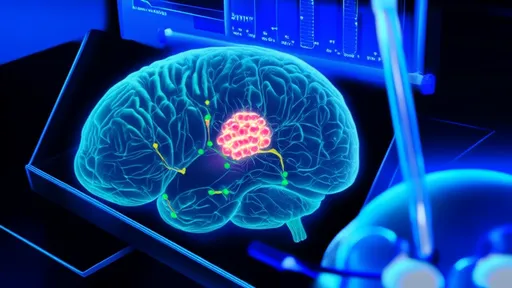
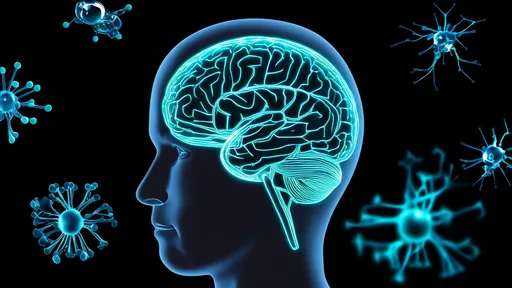
Animal models have long served as the cornerstone of neurological disease research, providing indispensable platforms for unraveling the complex mechanisms underlying these debilitating conditions. The intricate pathophysiology of disorders such as Alzheimer's disease, Parkinson's disease, amyotrophic lateral sclerosis, and multiple sclerosis cannot be fully captured through in vitro systems alone. These models bridge the critical gap between cellular studies and human clinical applications, allowing researchers to observe disease progression in a whole-organism context, test therapeutic interventions, and evaluate behavioral outcomes that mirror human symptoms. The continued evolution of these models reflects our growing understanding of neural circuitry, molecular pathways, and genetic factors that contribute to disease pathogenesis.
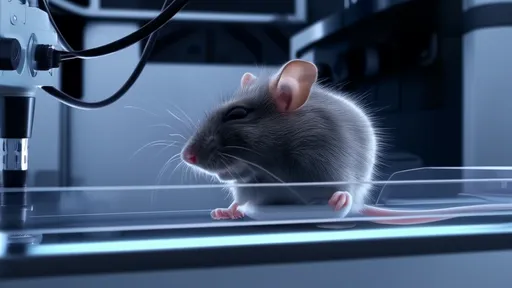
The development of transgenic mouse models represents one of the most significant advancements in neurological disease research. These genetically engineered animals have transformed our ability to study specific pathological features of human disorders. For Alzheimer's research, mice expressing mutant forms of human amyloid precursor protein and presenilin genes have been instrumental in demonstrating the role of amyloid-beta accumulation in disease progression. Similarly, tau transgenic models have provided crucial insights into neurofibrillary tangle formation and its relationship to cognitive decline. These models don't merely replicate pathological hallmarks; they enable researchers to observe how these abnormalities develop over time and interact with other biological systems.
Parkinson's disease research has benefited enormously from both toxic and genetic animal models. The classic MPTP-induced model in mice and non-human primates reproduces the selective dopaminergic neuron loss characteristic of the human condition, providing a valuable system for testing neuroprotective strategies. Meanwhile, transgenic models expressing mutations in genes such as SNCA, LRRK2, and Parkin have illuminated how specific genetic alterations lead to protein misfolding, mitochondrial dysfunction, and impaired protein degradation pathways. These models have been particularly valuable for understanding the earliest stages of disease development, often revealing pathological changes that precede overt motor symptoms by months or even years.
Beyond rodents, larger animal models including non-human primates, pigs, and dogs offer unique advantages for certain aspects of neurological disease research. Their larger brain size, more complex neuroanatomy, and longer lifespans make them particularly suitable for studying disease progression over extended periods and for testing surgical interventions or device-based therapies. Canine models of neurodegenerative diseases have provided particularly valuable insights due to their spontaneous development of conditions that closely resemble human disorders. These models often display natural age-related cognitive decline and pathological changes that evolve over years rather than months, offering a more realistic timeline for therapeutic evaluation.
The emergence of sophisticated gene editing technologies, particularly CRISPR-Cas9 systems, has revolutionized the creation of animal models for neurological disorders. Researchers can now generate more precise genetic modifications that better recapitulate human disease mutations while avoiding some of the artifacts associated with traditional transgenic approaches. These technologies have enabled the development of models with conditional and tissue-specific gene expression, allowing scientists to control when and where pathological processes begin. This temporal and spatial precision has been invaluable for distinguishing primary disease mechanisms from secondary consequences and for testing hypotheses about critical therapeutic windows.
While animal models have provided tremendous insights, researchers increasingly recognize the importance of evaluating multiple models for each disorder to capture its full complexity. The field has moved beyond seeking a single perfect model toward using complementary systems that each illuminate different aspects of disease pathogenesis. This multifaceted approach acknowledges that neurological disorders involve interactions between multiple cell types, brain regions, and molecular pathways that may not be fully represented in any single model system. The combination of data from different models, along with human patient studies and in vitro systems, provides the most comprehensive understanding of disease mechanisms.
Behavioral assessment represents another critical dimension of neurological disease models, as cognitive, motor, and psychiatric symptoms ultimately define these conditions in human patients. The development of increasingly sophisticated behavioral tests has allowed researchers to connect molecular and cellular changes to functional outcomes. Maze learning tasks, motor coordination tests, social behavior assessments, and anxiety measures in rodent models provide quantitative data that can be correlated with pathological markers. These behavioral readouts not only validate the clinical relevance of models but also serve as crucial endpoints for evaluating potential therapies.
Looking forward, the field continues to evolve with the development of more humanized models that incorporate human cells, genes, or tissue into animal systems. These chimeric models offer promising avenues for studying human-specific aspects of neurological diseases that may not be fully recapitulated in standard animal models. The integration of human induced pluripotent stem cell-derived neurons or glial cells into animal brains creates unique opportunities to observe human cell behavior in a living organism. Similarly, the introduction of humanized genes or gene regulatory elements helps bridge species differences that might otherwise limit the translational potential of research findings.
Despite their invaluable contributions, animal models of neurological diseases face ongoing challenges and limitations. Species differences in brain anatomy, lifespan, metabolism, and gene expression patterns mean that no model perfectly replicates the human condition. Researchers must carefully interpret findings within these constraints and avoid overextrapolation to human patients. The field continues to develop better validation criteria for assessing how well models recapitulate key features of human diseases. These efforts include establishing standardized protocols for model characterization, improving reproducibility across laboratories, and developing more sensitive biomarkers for tracking disease progression.
The ethical dimensions of animal research remain an important consideration in model development and use. The neuroscience community has made significant strides in implementing the principles of replacement, reduction, and refinement in experimental design. Researchers increasingly use the minimum number of animals necessary to obtain statistically valid results, employ non-invasive imaging techniques to reduce the need for terminal procedures, and implement environmental enrichment to improve animal welfare. These ethical considerations are not separate from scientific quality but rather contribute to better, more reproducible science by ensuring animal models are healthy and appropriately maintained throughout studies.
As we move deeper into the era of personalized medicine, animal models are adapting to address questions about individual variability in disease susceptibility and treatment response. The development of models that capture genetic diversity through collaborative cross or diversity outbred mouse populations helps researchers understand how genetic background influences disease presentation and therapeutic outcomes. These approaches recognize that neurological diseases are not monolithic entities but rather represent complex interactions between genetic predisposition, environmental factors, and stochastic events that vary across individuals.
The integration of advanced technologies with traditional animal models continues to open new frontiers in neurological disease research. Optogenetics and chemogenetics allow precise manipulation of specific neural circuits to test their roles in disease symptoms and progression. Real-time imaging techniques provide unprecedented views of pathological processes as they unfold in living animals. These technological advances, combined with increasingly sophisticated genetic models, create opportunities to answer questions that were previously inaccessible. The ongoing dialogue between technological innovation and model development ensures that animal research remains at the forefront of efforts to understand and treat neurological disorders.
In conclusion, animal models remain essential tools for deciphering the complex mechanisms underlying neurological diseases. While no single model can capture all aspects of human disorders, the strategic use of complementary models continues to drive progress in our understanding of disease pathogenesis and therapeutic development. As models become more sophisticated and better aligned with human biology, they will continue to provide crucial insights that move us closer to effective treatments for these devastating conditions. The thoughtful integration of animal models with human studies and in vitro systems represents our best strategy for conquering neurological diseases that affect millions worldwide.

By /Aug 25, 2025

By /Aug 25, 2025
By /Aug 25, 2025
By /Aug 25, 2025
By /Aug 25, 2025

By /Aug 25, 2025
By /Aug 25, 2025

By /Aug 25, 2025

By /Aug 25, 2025

By /Aug 25, 2025

By /Aug 25, 2025

By /Aug 25, 2025

By /Aug 25, 2025

By /Aug 25, 2025

By /Aug 25, 2025

By /Aug 25, 2025

By /Aug 25, 2025
By /Aug 25, 2025

By /Aug 25, 2025

By /Aug 25, 2025
